Carbon Capture: Science or Distraction?

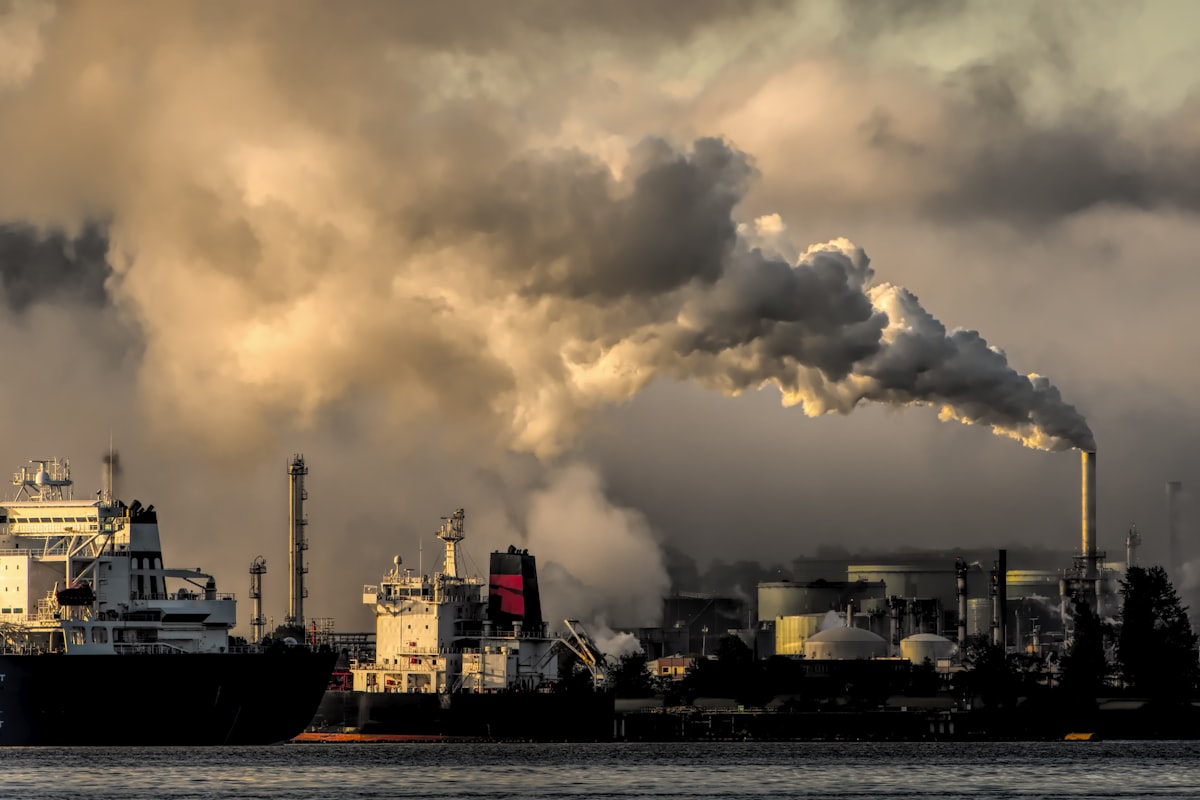
No climate technology divides the room like carbon capture. To its champions, it is the indispensable tool for the emissions we cannot avoid — cement, steel, aviation — and the only way to claw back the carbon we have already released. To its critics, it is a fossil-fuel industry alibi: perpetually five years away, chronically over-budget, and politically useful precisely because it delays the harder work of phasing out combustion.
Both camps are arguing from evidence. The question is which evidence matters most.
What the numbers say
Today, roughly 45 commercial facilities capture about 50 million tonnes of CO₂ per year — around 0.1% of global emissions. Announced projects would raise that to over 400 million tonnes by 2030, but announcement is not construction: historically, most proposed capture projects have been cancelled or indefinitely delayed, and several flagship plants have underperformed their capture targets by wide margins.
~0.1%
of global emissions captured today
$600–1,000
per tonne for direct air capture
6 Gt
annual removal some 1.5°C paths assume by 2050
Carbon capture is neither saviour nor scam. It is an expensive, necessary niche that becomes dangerous the moment it is treated as a substitute for cutting emissions.
Where it makes sense — and where it doesn’t
The strongest case is industrial. Cement chemistry releases CO₂ no matter how clean the kiln’s energy is; capture is one of the few options. The same logic applies to parts of steel, chemicals and waste incineration. The weakest case is retrofitting power plants, where renewables plus storage now beat capture-equipped fossil power on cost almost everywhere.
Direct air capture — pulling CO₂ from ambient air — occupies a category of its own. It is real, it works, and it remains radically expensive. Costs have fallen, but scaling from thousands of tonnes to billions would demand energy and capital on the order of a new global industry.
The honest answer
Every credible pathway to well-below 2°C includes some carbon capture and removal — and none of them include enough to compensate for continued fossil expansion. The technology is a scalpel being marketed, at times, as a bulldozer.
Science or distraction? It is both, depending entirely on who is holding it and what they are using it to justify. The task for policy is to fund the scalpel and refuse the alibi.