Best Portable Solar Panels (2026): What the Watts Really Mean

In brief
- Expect real output well below the label: independent tests of folding panels commonly measure about 70–90% of rated watts in full sun.
- Match the connector to your power station before you buy. Many brands use their own plug; MC4 panels may need an adapter.
- A 100W panel suits phones, lights and a small power station; 200W or more is for fridges, CPAP machines and longer outages.
- Picks: Jackery SolarSaga for Jackery owners, EcoFlow 220W bifacial for maximum output, Renogy 200W for value, a 28W USB panel for phones.
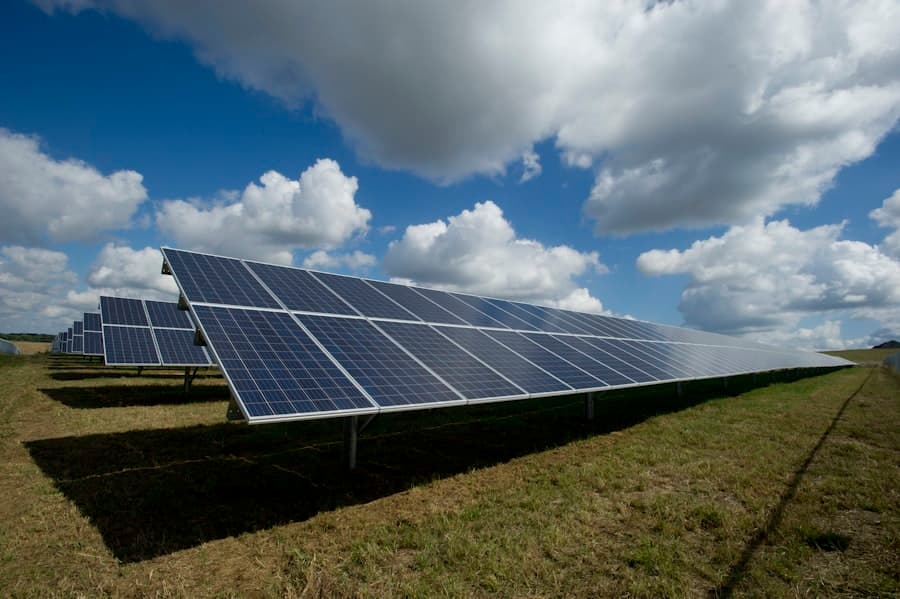
A folding solar panel is the simplest way to make your own electricity: open it in the sun, plug it in, and charge a power station, a phone or a camping battery. For trekkers, campers and anyone living with power cuts, from rural Africa and South Asia to the American West, it turns daylight into light and communication.
This guide covers what the wattage numbers really mean and how to pick a panel that fits the battery you already own. We have not lab-tested these panels; picks are based on published specifications and independent reviews, linked at the end.
What the watts on the label really mean
A panel’s rating is measured in ideal lab conditions. Outdoors, heat, haze, the sun’s angle and dust all cut output. Independent reviewers testing popular 200W folding panels have measured roughly 140–185W in good sun, and much less on cloudy days. Plan on about three quarters of the label figure and you will rarely be disappointed.
A rough rule for daily energy: rated watts × hours of good sun × 0.75. A 100W panel with five good sun hours gives about 375 watt-hours, enough to charge a phone dozens of times or run LED lights for several nights.
70–90%
typical real output of a folding panel vs its rating
~375 Wh
daily energy from a 100W panel with 5 sun hours
IP65–68
water resistance range of popular folding panels
What to look for
Connector. This is the most common mistake. Jackery, EcoFlow, Bluetti and Anker power stations each have their own input. Panels from the same brand plug straight in; third-party panels usually use MC4 and need the right adapter cable.
Voltage range. Check that the panel’s open-circuit voltage sits inside your power station’s solar input range, especially if you plan to connect two panels in series.
Weight and kickstands. A 200W panel weighs roughly 6–8 kg. Built-in kickstands make it much easier to angle the panel toward the sun, which matters more than most people expect.
Bifacial panels collect some light on the back too. The gain is real over snow, sand or white gravel, and small over dark soil or grass.
The picks
As an Amazon Associate, climaRevolt earns from qualifying purchases. Links open Amazon, where you can check current prices and reviews.
1. Best for Jackery power stations
Jackery SolarSaga folding panel
Plugs straight into Jackery Explorer power stations with no adapter. Reviewers praise the handles and fast set-up. The newer bifacial versions are rated IP68. Its connector is designed for Jackery, so check compatibility if you own another brand.
2. Best for maximum output
EcoFlow 220W Bifacial Portable Solar Panel
A front panel rated at 220W plus a rear face that adds output over bright ground such as snow or sand. Rated IP68 and folds into a carry case with a stand. A natural partner for EcoFlow River and Delta power stations.
3. Best value
Renogy 200W Foldable Solar Panel
Renogy is a long-standing off-grid brand, and its foldable panels use standard MC4 connectors that work with most power stations and charge controllers via the right cable. A sensible choice if you want 200W without paying a premium brand price.
4. Best for phones and trekking
BigBlue 28W USB solar charger
A light, foldable panel with USB ports that charges a phone or power bank directly, with no power station needed. Good for trekking and emergency kits. Expect slow charging in cloud, as with every small panel.
Getting the most from any panel
Face it directly at the sun and re-angle it every couple of hours. Keep it cool and clean: a dusty or overheated panel loses output. Never let a shadow cross part of the panel, because even a small shadow can cut output sharply. And charge in the middle of the day, when the sun is strongest.
The best panel is the one that plugs into the battery you already own.
Shop the climaRevolt pick
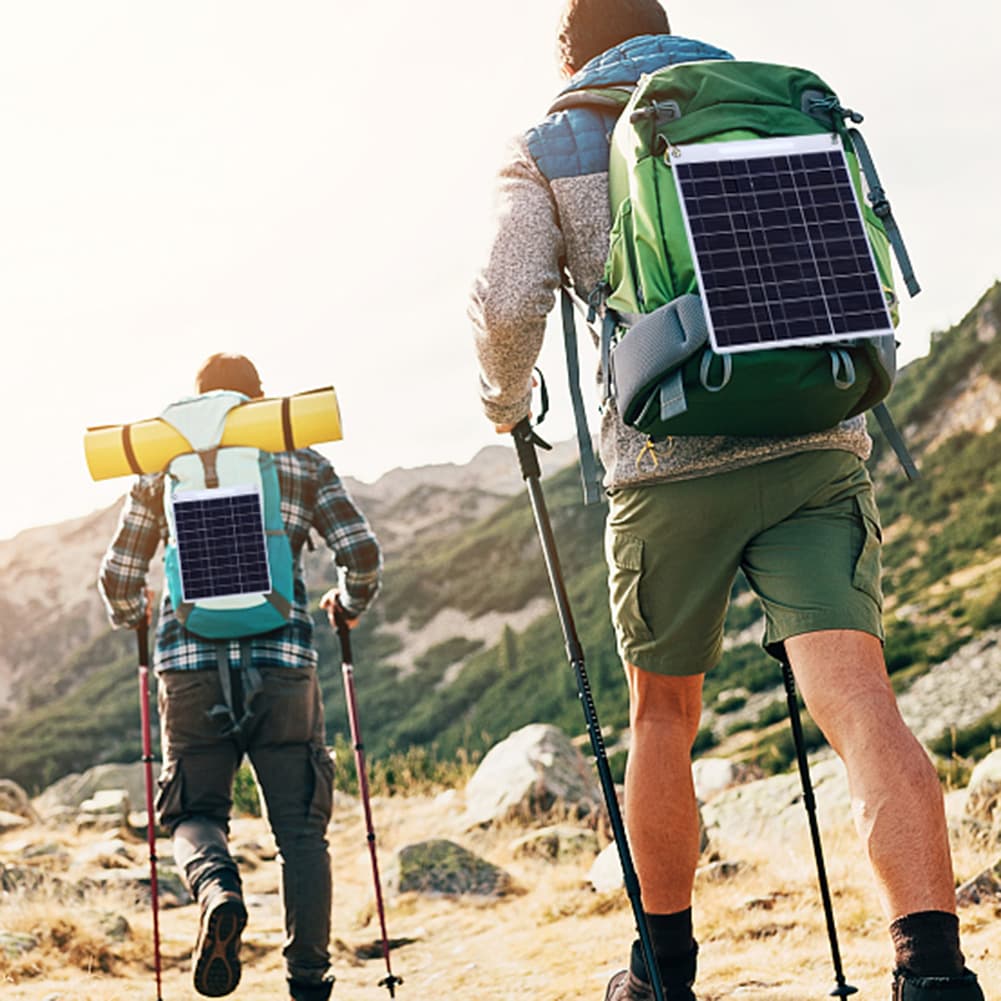
Flexible solar charging panel, 13 W USB
A thin, flexible panel that clips to a backpack and charges a phone or power bank from the sun.
$39 incl. tracked delivery
Get the climate stories that matter, explained, every Sunday.
One email a week: new explainers, data and free tools. No spam, unsubscribe any time.


