Climate Change in Pakistan: Causes, Effects and Solutions

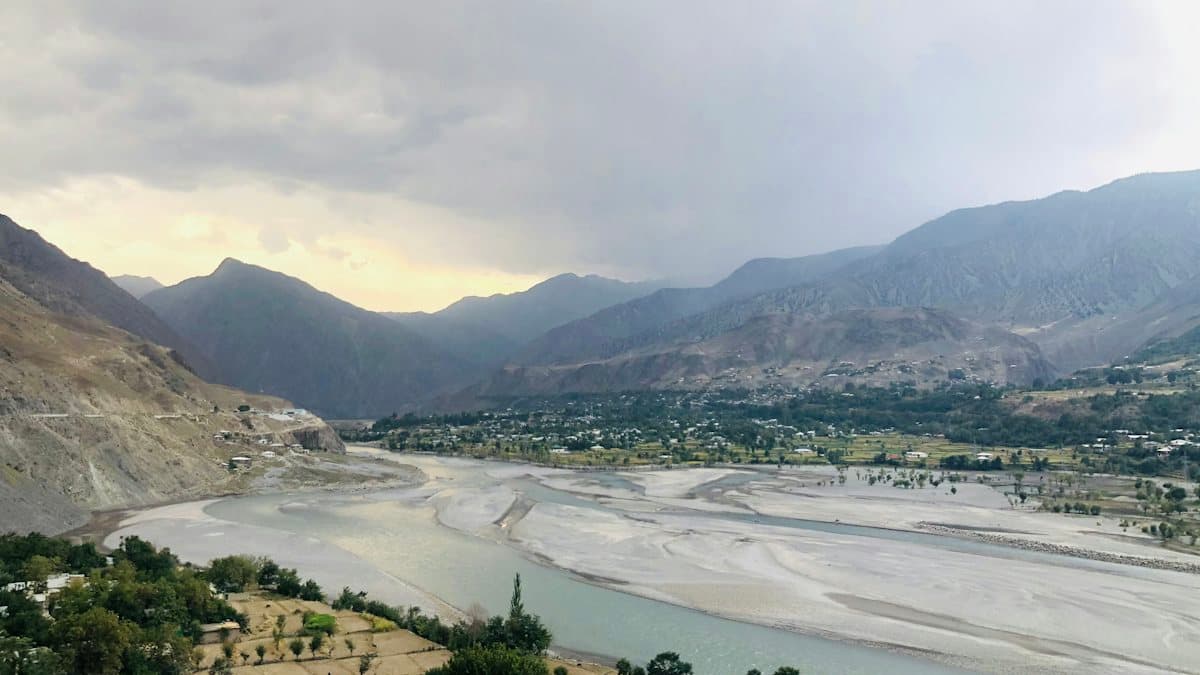
In brief
- Pakistan produces less than 1% of global greenhouse gas emissions, yet it is one of the countries most affected by climate change.
- The 2022 floods killed more than 1,700 people, left about a third of the country under water at their peak, and caused around $30 billion in damage and losses.
- The main impacts: extreme heat, floods, glacier melt and glacial lake outburst floods, drought and water stress, and threats to farming.
- Solutions combine adaptation (early warning, resilient farming, water storage, nature) with cleaner energy and international climate finance.
Climate change in Pakistan is not a distant scenario. It is the heat that shuts schools in Sindh, the floods that swept away villages in 2022, and the glacial lakes growing above valleys in Gilgit-Baltistan, where I live. This explainer covers the causes, the effects and the solutions, with the key facts students, journalists and policymakers ask about most.
Why is Pakistan so vulnerable to climate change?
Geography and dependence on one river system. Pakistan stretches from the high glaciers of the Karakoram, Hindu Kush and Himalaya to the hot plains of Punjab and Sindh and the Arabian Sea coast. Most of its people, farms and cities depend on the Indus River, fed by glacier melt and monsoon rain. Climate change is making both less predictable: more intense monsoon downpours, faster glacier melt, and hotter, longer heatwaves. Poverty and dense settlement on floodplains make the impacts worse.
<1%
Pakistan’s share of global greenhouse gas emissions
1,700+
deaths in the 2022 floods
~$30bn
damage and losses from the 2022 floods
Effects of climate change in Pakistan
Floods. In 2022, record monsoon rains combined with melt in the north caused floods that killed more than 1,700 people and affected around 33 million. A post-disaster needs assessment put damage at about $14.9 billion and economic losses at about $15.2 billion, roughly $30 billion together.
Extreme heat. Cities such as Jacobabad in Sindh regularly reach temperatures near the limits of what the human body can tolerate, and heatwaves in May and June put outdoor workers, children and older people at risk. Heat also drives up electricity demand during load-shedding. We explain the weather pattern behind many heatwaves in what is a heat dome?
Glacier melt and GLOFs. Pakistan has more than 7,000 glaciers. As they melt, thousands of glacial lakes have formed, and some can burst without warning. See our explainer: what is a GLOF?
Water and food. Changing river flows, droughts in Balochistan and Sindh, saltwater intrusion in the Indus delta and heat stress on wheat and cotton threaten farming, which employs a large share of the population.
Causes of climate change in Pakistan
The main cause is global: greenhouse gases emitted mostly by large industrial economies over more than a century. Pakistan’s own emissions are small but growing, mainly from energy (power generation, transport and industry) and agriculture (livestock and rice). Local choices still matter: deforestation, building on floodplains and poor urban planning make climate impacts worse.
Pakistan did little to cause the climate crisis, but it is living on its front line.
Solutions to climate change in Pakistan
Adaptation comes first, because the impacts are already here: early warning systems for floods, heat and GLOFs; heat action plans with cooling centres; flood-resilient homes and roads; better water storage and efficient irrigation; and protecting forests, wetlands and mangroves that buffer floods and heat. Mitigation matters too: Pakistan has strong solar resources, and rooftop solar has spread quickly as electricity prices rose.
Finance is the third pillar. Climate-vulnerable countries are pushing at UN summits for money to adapt and to cover loss and damage they did not cause; see our guide to COP31 in Antalya.
Climate change in Pakistan: essay points
For students writing an essay, a clear structure is: introduction (Pakistan’s low emissions but high vulnerability); causes (global emissions, local factors); effects (floods of 2022, heatwaves, glacier melt and GLOFs, water and food security); government response (national climate policy, adaptation plans, early warning projects); solutions (adaptation, clean energy, climate finance, community action); and conclusion (climate justice and the need for urgent action). Cite figures from official sources such as the Ministry of Climate Change and the UNDP.
Frequently asked questions
How much does Pakistan contribute to climate change?
Less than 1% of global greenhouse gas emissions, yet it is among the countries most affected by climate change.
What are the main effects of climate change in Pakistan?
Floods (such as 2022), extreme heatwaves, glacier melt and glacial lake outburst floods, drought, water stress and threats to agriculture.
How many people died in the 2022 Pakistan floods?
More than 1,700 people, according to Pakistan’s National Disaster Management Authority, with around 33 million affected.
How many glaciers does Pakistan have?
More than 7,000, mostly in the Karakoram, Hindu Kush and Himalaya.
What can Pakistan do about climate change?
Invest in early warning and adaptation, protect forests and wetlands, expand clean energy such as solar, and secure international climate finance.
Get the climate stories that matter, explained, every Sunday.
One email a week: new explainers, data and free tools. No spam, unsubscribe any time.
More from climaRevolt
El Niño 2026: What a Record-Strength El Niño Means for Winter and the World
What Is a Heat Dome? The Weather Pattern Behind 2026’s Deadly Summer
The Great Thaw: Arctic Realities