The 400-Million-Barrel Wake-Up Call: Oil Shock 2026 and the New Meaning of Energy Security
In brief
- In March 2026, IEA members released 400 million barrels from emergency reserves — one of the largest collective actions in the agency’s history — after conflict disrupted shipping through the Strait of Hormuz.
- Governments are redefining energy security: not securing more oil, but needing less of it. Electrification is being framed as sovereignty policy, not just climate policy.
- The risk cuts the other way too: high fuel prices strain the budgets that fund the transition, and 80% of new national climate pledges imply the same or slower emissions cuts than before.
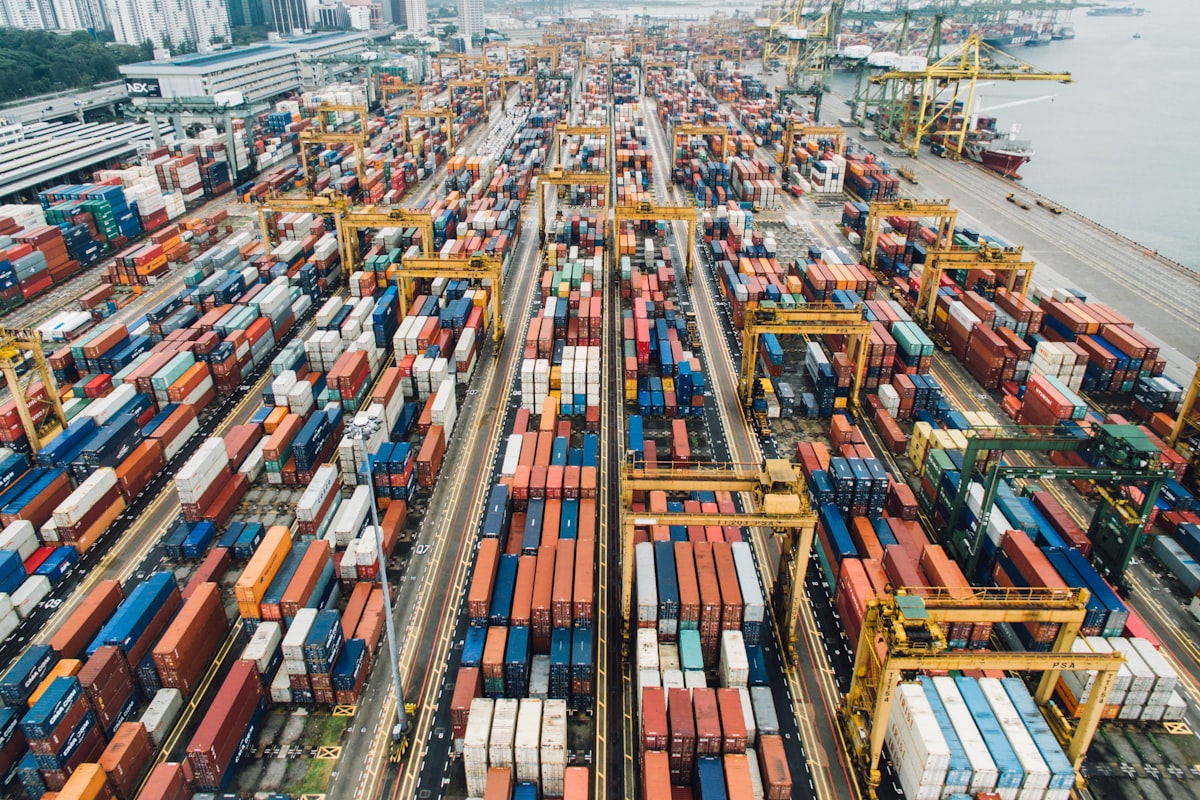
Every oil crisis teaches the same lesson, and every generation has to learn it again. The 1973 embargo built the world’s strategic petroleum reserves. The 2022 gas crunch rewired Europe’s energy map in eighteen months. Now the 2026 disruption in the Strait of Hormuz — the narrow waterway that carries roughly a fifth of the world’s oil — is teaching it to a new decade.
The scale of the response tells you how seriously governments took it. On 11 March, the International Energy Agency’s members agreed to make 400 million barrels of emergency reserves available to the market — among the largest collective releases in the agency’s five-decade history. Prices spiked anyway. Shipping insurers repriced the Gulf. And every finance ministry on Earth reopened the same spreadsheet: what does our economy look like if oil becomes unreliable?
What does energy security mean now?
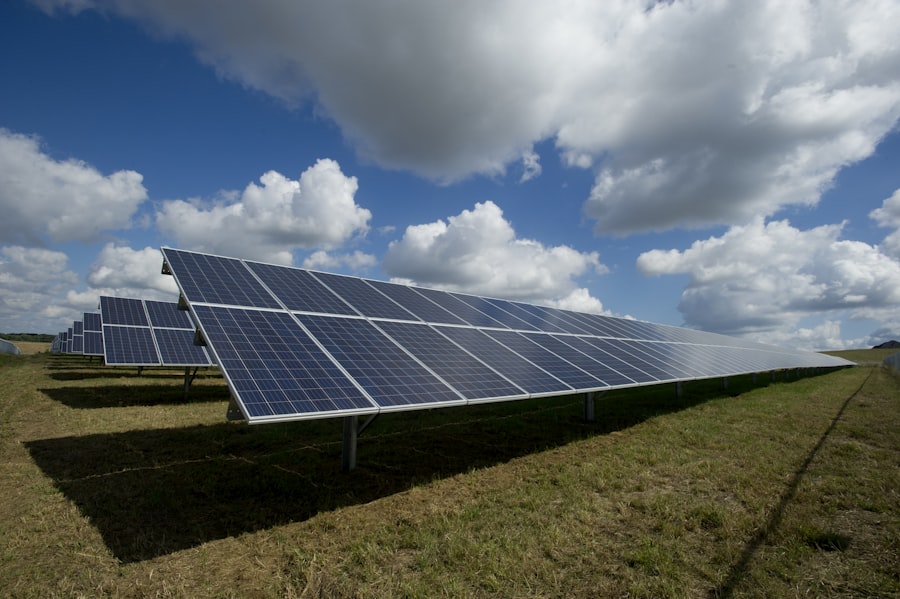
For fifty years the answer was supply: more barrels, more suppliers, more reserves. That answer still matters — the March release proved it. But a quieter redefinition is underway. A car that runs on electrons from domestic solar cannot be embargoed. A heat pump does not care about tanker insurance in the Gulf. The IEA’s own policy review this year frames electrification explicitly as a security strategy, and governments from Brussels to Beijing now use the language of sovereignty, not just emissions, to justify clean energy spending.
China understood this earliest and most thoroughly: its dominance in solar, batteries and EVs is energy security policy wearing an industrial strategy coat. Europe’s renewables push since 2022 has the same DNA. The countries most exposed to this year’s shock are the ones that treated the transition as optional.
Oil you must buy from where it is. Sunshine is sovereign.
Could the shock slow the transition instead?
It could — honesty requires saying so. Expensive energy squeezes households and public budgets, and transition spending competes with subsidies that cushion fuel prices. The pledge cycle already shows strain: analysis of the newest national climate plans finds more than 80% imply similar or slower rates of emissions decline than their predecessors. War-time politics also favours any barrel available today over any panel installed next year.
That is the fork this moment presents. The 1970s shocks produced both outcomes at once: France built nuclear plants while others subsidised oil consumption for a decade. Which path a country takes now is being decided in budget negotiations this year — which is exactly why the security framing matters. Finance ministers who will not spend for the climate will spend for sovereignty.
What should readers watch next?
Three signals. First, whether emergency-reserve politics push the IEA’s members to formalise clean-energy stockpiles — critical minerals and transformer inventories — the way they once formalised petroleum ones. Second, whether the EU’s next budget cycle locks in electrification as security spending. Third, COP31 in Antalya this November, where the weakened pledge cycle meets the new geopolitics for the first time.
The barrels released in March will be burned and forgotten. The budget lines being written because of them will shape emissions for twenty years.