The European Solar Surge Surpasses Expectations

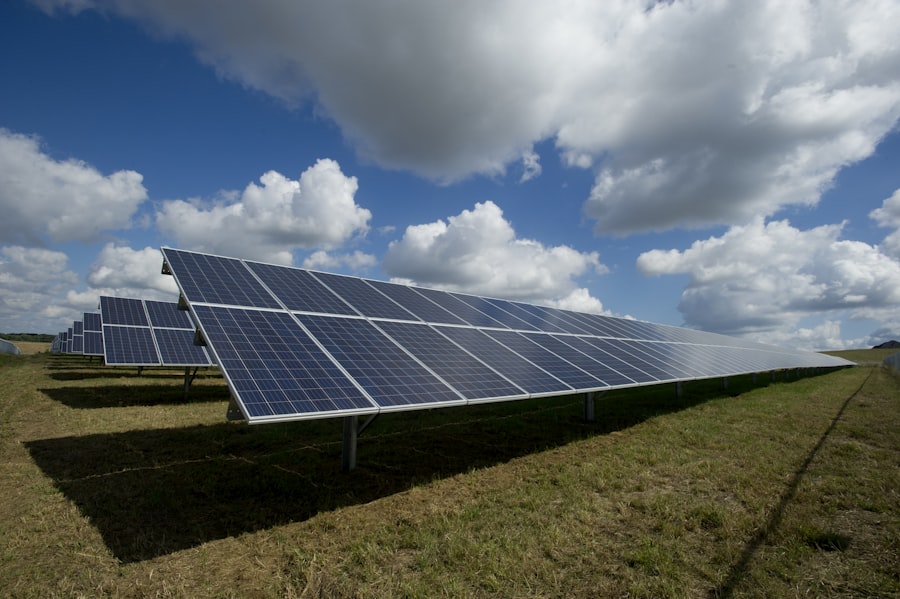
Europe’s solar boom was supposed to slow down. Subsidies were cut, interest rates rose, and the emergency energy politics of 2022 faded. Instead, the continent has kept smashing its own records: solar has overtaken coal in the EU’s electricity mix, panel prices have collapsed to historic lows, and installation keeps outrunning every official scenario.
The surge has outgrown its original story. What began as a crisis response to Russian gas has become something more structural: the cheapest electricity in European history, arriving faster than the systems around it can adapt.
The numbers behind the surge
The EU installed roughly 66 gigawatts of new solar in a single year — more than the entire generation fleet of many member states — bringing cumulative capacity beyond 330 gigawatts. Solar now supplies over 11% of EU electricity across the year, and far more in summer: on bright June afternoons it is regularly the largest single source on the continental grid.
66 GW
installed in the record year
>11%
of EU electricity from solar
−90%
module price decline since 2010
We modelled solar as a technology. It behaved like a price. And prices move faster than plans.
Growing pains of abundance
Success is creating novel problems. Midday prices now regularly fall to zero or below, squeezing the revenue of the very plants driving the boom. Grid connection queues stretch for years in Poland, Italy and the Netherlands. And Europe consumes panels it barely manufactures: more than 90% are imported from China, a dependence Brussels is trying to soften without pricing the boom to death.
The answers are arriving from the same direction as the problem — cheap. Batteries are being attached to solar farms at unprecedented rates, household storage is following the panel down the cost curve, and flexible pricing is teaching demand to chase the sun.
What it means beyond Europe
Europe is running, in public, the experiment every grid on Earth will face: what happens when the cheapest power ever built is also the least controllable. So far the lights have stayed on, the emissions have fallen, and the expectations have kept surrendering. The surge has not finished surpassing them.