The Grid Revolution: Why 2024 is the Turning Point
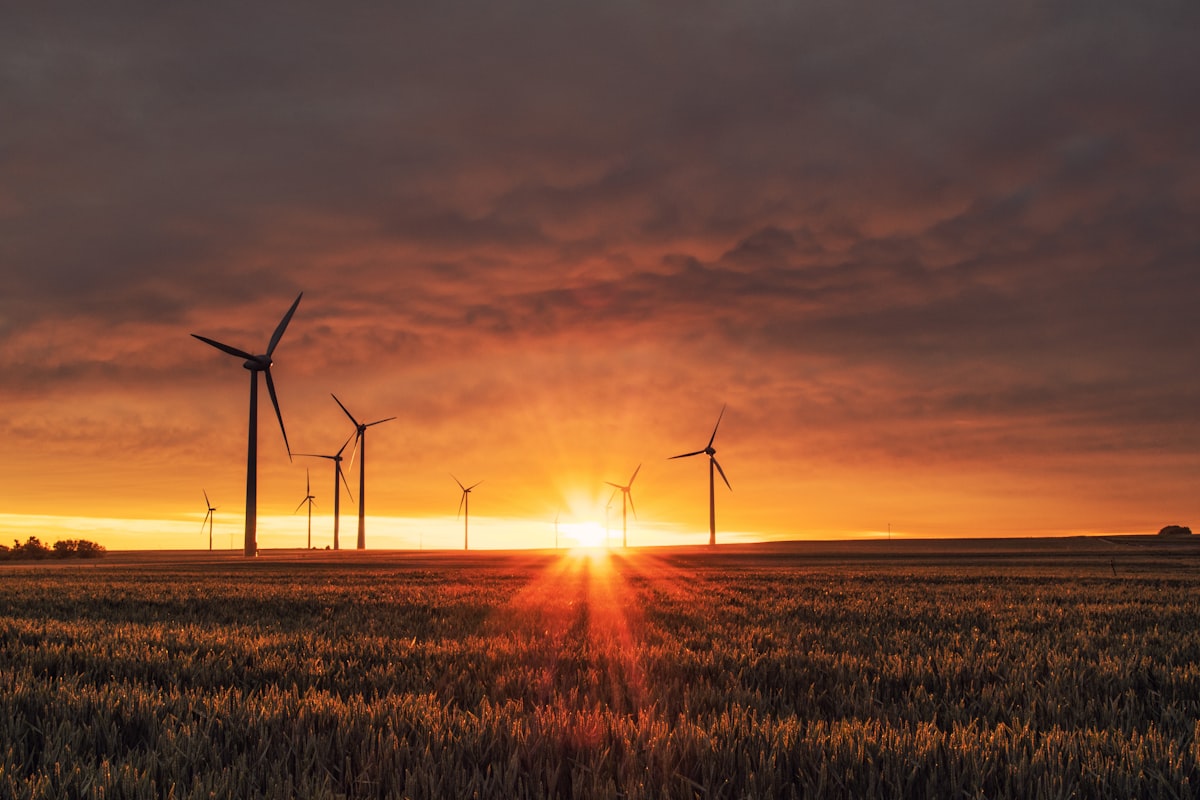
The most important machine of the energy transition is not the solar panel or the wind turbine. It is the grid — the century-old network of wires, transformers and substations that must now absorb more new generation in a decade than it did in the previous fifty years.
And 2024 marked the moment the maths flipped. For the first time, renewables crossed 30% of global electricity generation, solar became the cheapest new power in most of the world, and grid connection queues — not financing, not technology — became the biggest bottleneck to decarbonization.
The queue is the story
In the United States alone, more than 2,000 gigawatts of proposed generation and storage — nearly all of it clean — sits waiting in interconnection queues. That is more capacity than the entire existing US power plant fleet. Europe, India and Brazil report the same pattern: the projects exist, the capital exists, and the wires do not.
30%+
of global electricity now renewable
2,000 GW
stuck in US connection queues
×2
grid investment needed by 2030
We spent twenty years making clean power cheap. We now have five to make it connectable.
What a modern grid looks like
The fixes are unglamorous and transformative. High-voltage direct-current lines that move gigawatts between regions with minimal losses. Grid-enhancing technologies — dynamic line ratings, advanced power flow control — that squeeze 20 to 40 percent more capacity out of existing wires. Storage at every scale, from home batteries to pumped hydro. And market reforms that pay flexibility the way we once paid baseload.
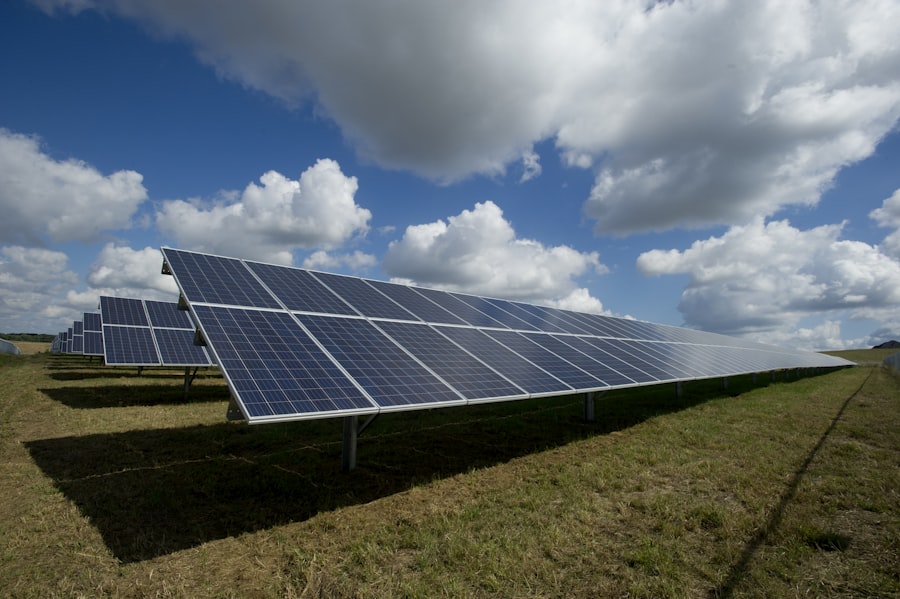
Digitalization matters as much as copper. A grid that can see itself — millions of sensors, smart inverters, forecasting models — can host far more variable renewable power than a blind one. The countries winning the transition are the ones treating grid software as seriously as grid steel.
The turning point
Why call 2024 the turning point? Because it was the year grid investment finally started to accelerate to match generation: global spending on networks jumped past $400 billion, permitting reform entered mainstream politics on three continents, and the first generation of truly grid-scale batteries began displacing gas peakers on pure economics.
The revolution will not be televised — it will be substationed. But when historians mark the decade the electricity system changed forever, the evidence points here.