The Ghost Forests: Mapping the Silent Death of Coastal Pines

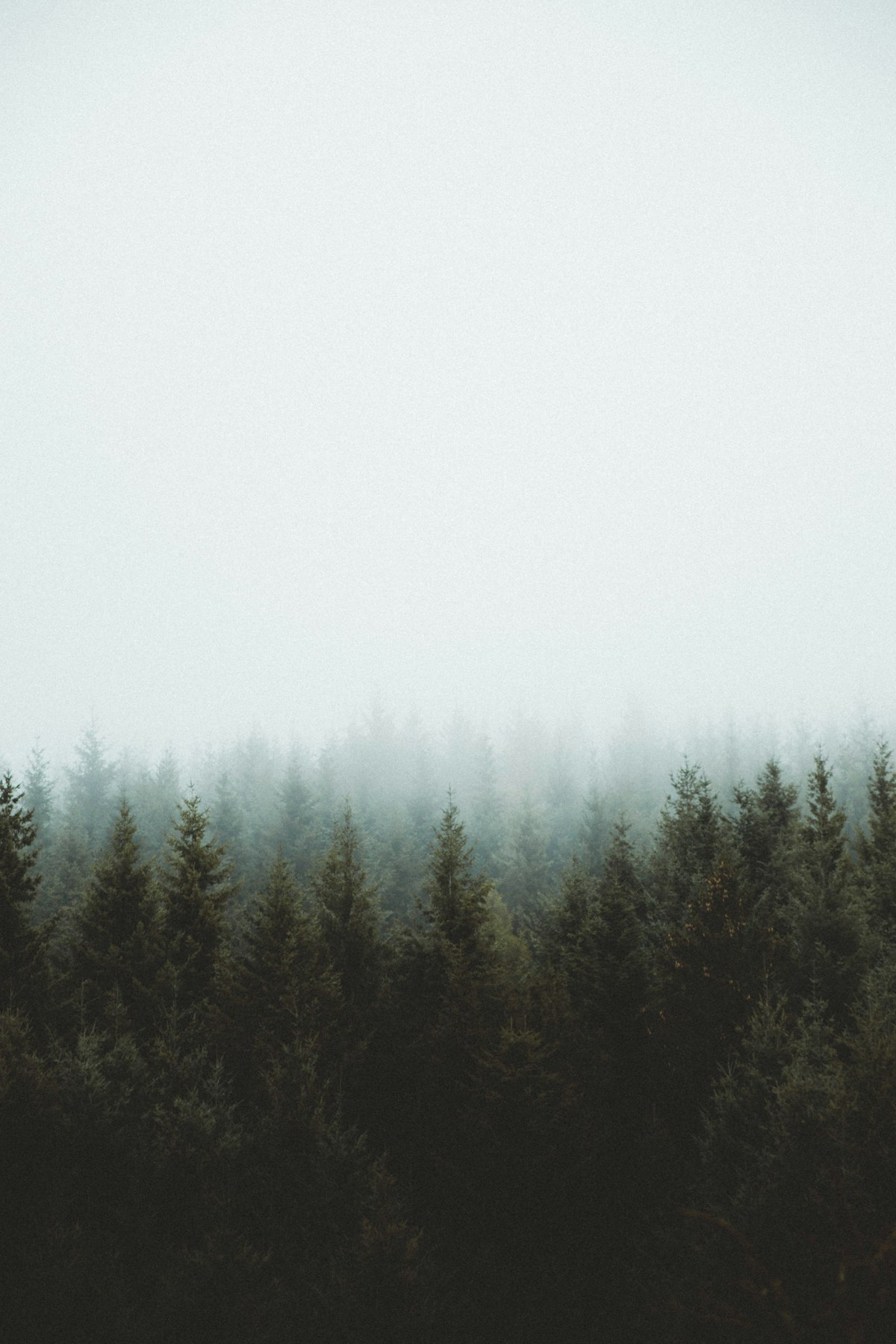
Along the low coasts of the Carolinas, the Chesapeake and the Gulf of Mexico, whole stands of pine and cedar are dying upright. Their bleached trunks — bare, silver, unmistakable from the air — have earned a name that scientists now use in journals: ghost forests. They are among the most visible signatures of sea level rise anywhere on the planet.
The mechanism is quiet. Rising seas push saltwater into coastal groundwater and up the tidal creeks; storm surges carry it farther inland; drainage ditches dug decades ago for farming become salt highways. Trees that evolved for fresh water are poisoned where they stand, too slowly to make news and too quickly for forests to retreat.
Mapping the silent death
Satellite surveys have turned anecdote into inventory. On the Albemarle-Pamlico Peninsula of North Carolina, roughly 11% of forested wetland converted to ghost forest or marsh within a single protected refuge in just three decades. Across the eastern US seaboard, more than 100,000 hectares of coastal forest have shown the transition since the mid-1980s, with the rate accelerating after each major hurricane.
100,000+ ha
US coastal forest lost since the 1980s
~4 mm/yr
current global sea level rise
5–7×
faster saltwater intrusion along ditched land
A ghost forest is a shoreline announcing where it intends to be in fifty years.
Not just trees
The transition reorganizes everything behind the treeline. Timber income disappears from family land. Farm fields salt out years before they flood, showing up first as bare patches in soybean rows. Freshwater species lose habitat while, on the other side of the ledger, new salt marsh forms — habitat that shelters fisheries and stores carbon at rates rivalling tropical forest.
That ledger is the scientific frontier: whether ghost forests represent net carbon loss or a slow handover from one carbon-storing ecosystem to another depends on how fast the marsh can establish before erosion takes the land entirely.
Managing the retreat
Where the change cannot be stopped, it can be steered. Plugging abandoned drainage ditches slows the salt. Conservation easements let landowners be paid for letting marsh migrate rather than armouring the shore. And the maps themselves have power: a ghost forest is a forecast, and coastal counties are beginning to read it.